Booking wound dressing kl services for home care used to feel like a “call and hope” situation: uncertain timing, unclear supplies, and caregivers not sure what to do before the nurse arrives. In 2026, many Kuala Lumpur home-care providers are setting clearer expectations—especially for patients who are elderly, diabetic, bedridden, post-surgery, or living with chronic wounds.
This guide is written for patients and caregivers who are close to booking. You’ll learn what a modern home wound dressing visit typically looks like, the practical factors that influence pricing (without guessing exact rates), and how to prepare your home so the visit is safer, faster, and more comfortable.
2026 service trends shaping home wound dressing in KL
Home-based wound care in KL is evolving around one central idea: reduce the burden on families while improving consistency. While each provider operates differently, these are the trends many patients are noticing when they search for a “dressing nurse near me” or a “home dressing service near me”.
- More structured triage before the first visit. Many services now ask for basic wound history, recent discharge notes (if any), medications, and photos where appropriate. This helps the nurse arrive with the right dressing approach and supplies.
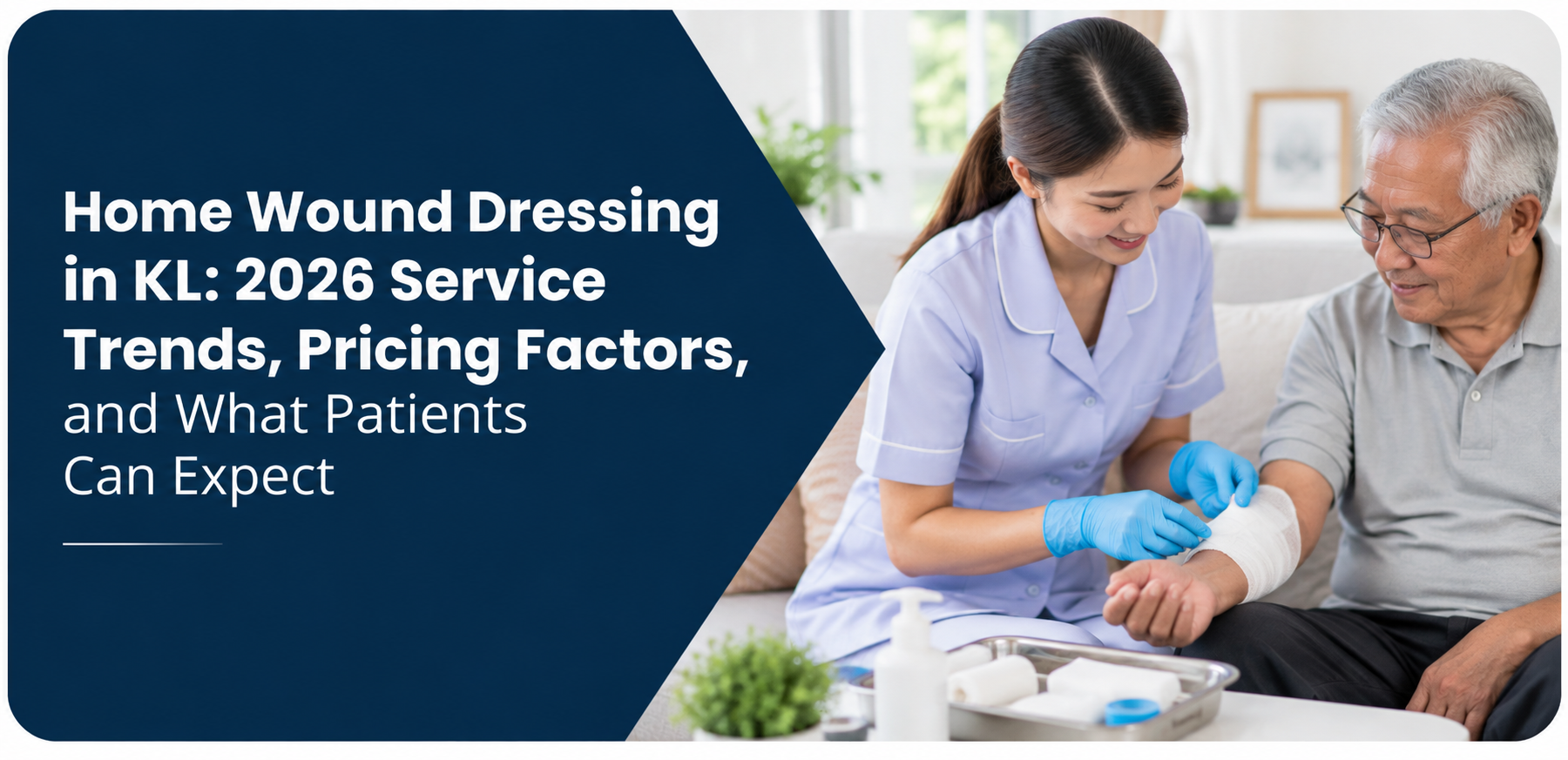
- Clearer visit workflow at home. Patients can expect a more “clinic-like” setup: a clean working surface, organised sterile items, and consistent steps for cleaning (often called cuci luka dressing) and re-dressing.
- Greater focus on continuity and comfort. Some providers emphasise one-to-one attention and continuity—helpful for anxious patients, dementia care, or complex wounds that benefit from consistent monitoring.
- More education for caregivers. Families are increasingly taught what to watch for between visits (changes in pain, swelling, odour, fever, leakage, or dressing lift). This does not replace professional care but helps prevent delays.
- More specialised wound pathways. Instead of a “one dressing fits all” mindset, patients are routed into diabetic wound care, post-surgical wound support, pressure sore care, or longer-term chronic wound management.
These shifts matter because they reduce surprises. They also explain why pricing can differ: a straightforward dressing change and a complex chronic wound visit are not the same service.
What affects pricing for home wound dressing (and why quotes vary)
If you’ve compared providers in KL, you may have noticed that pricing is rarely a single flat number. That’s because home wound care is a service bundle: clinical assessment, wound cleaning, dressing selection, sterile technique, documentation, and travel logistics. Below are the most common factors that influence the final quote.
1) Wound type and complexity
The wound category strongly affects time and material use. Examples include:
- Post-surgical wounds that need routine dressing changes and monitoring for infection signs.
- Diabetic wounds that may require careful assessment of circulation, tissue condition, and frequent review.
- Pressure sores (bedsores) that often need repeated visits, offloading guidance, and larger or specialised dressings.
- Chronic wounds (slow-healing) that may require longer-term planning and progress tracking.
More complex wounds generally mean longer visits and potentially more dressing materials—both can affect cost.
2) Dressing materials and whether they are included
Some services include standard consumables; others quote nursing fees separately from advanced dressings. When you ask for a quote, clarify:
- Are sterile gauze, saline, tape, and basic dressings included?
- Are specialised dressings (selected based on wound needs) charged separately?
- Will the nurse bring supplies, or will you buy items in advance?
There isn’t a universal “best” model. For caregivers, the key is transparency so you can compare like-for-like.
3) Visit frequency and care plan duration
Some patients need a single visit; others need scheduled care over weeks. Price can be influenced by:
- How often dressings must be changed (daily, alternate days, weekly—depending on clinical needs).
- Monitoring requirements for high-risk wounds (for example, diabetic foot concerns).
- Longer-term chronic wound management where progress is reviewed and the plan adjusted.
When providers offer packages or scheduled plans, ask what is included: reassessments, caregiver education, and follow-up messaging or documentation.
4) Location in KL and travel logistics
“KL” can still mean very different travel times. Traffic, parking difficulty, condo access procedures, and the nurse’s travel distance can affect service fees. To avoid delays on the day:
- Share your exact address and building access rules.
- Tell the service if parking is limited or if a visitor pass is required.
- Confirm the expected arrival window rather than a single exact time.
5) Additional nursing tasks during the same visit
Many families ask for “wound care near me” because they want comprehensive help at home. If the nurse is also providing other support, it may change the quote or the visit duration. Examples include medication support, basic health monitoring, or post-discharge recovery assistance. If you need more than wound dressing, mention it upfront so the visit is planned safely and realistically.
What patients can expect during a home wound dressing visit
Knowing the typical flow helps patients feel less anxious and helps caregivers prepare. While providers differ, a professional home visit often follows a structured sequence.
Step 1: Quick check-in and clinical review
The nurse usually starts by confirming identity, reviewing the reason for the visit, and asking about symptoms since the last dressing change. Helpful information includes:
- New or increasing pain
- Fever, chills, or feeling unwell
- Increased redness, swelling, warmth, odour, or discharge
- Any issues with the dressing (slipped, soaked through, or stuck)
For post-surgery patients, the nurse may also ask about activity level, bathing, and whether you were given specific discharge instructions.
Step 2: Clean setup (a “mini-clinic” at home)
A key quality marker of home wound care is the setup. Expect the nurse to identify a clean surface (table) and arrange sterile or clean supplies methodically. Caregivers can help by keeping pets away and ensuring good lighting and ventilation.
Step 3: Removal of old dressing and wound assessment
The nurse removes the old dressing carefully and assesses the wound. Assessment typically considers wound size, tissue condition, moisture level, surrounding skin, and signs of infection. This assessment is one reason professional visits matter: the dressing choice should match what the wound needs today, not what worked two weeks ago.
Step 4: Wound cleaning (cuci luka) and dressing application
Many Malaysians refer to wound cleaning as cuci luka. The nurse cleans the wound using appropriate technique and then applies the dressing. A good service will explain what is being used and why (in simple terms), especially when caregivers are involved.
Step 5: Aftercare instructions and what to monitor
Before leaving, the nurse should advise on practical points such as:
- How to keep the dressing dry during bathing
- What activities to avoid (if relevant to the wound site)
- When to call for an earlier review
- When the next dressing change is recommended
If you are managing a higher-risk condition (for example diabetes), follow-up planning matters because changes can happen quickly.
How to prepare your home (and your questions) before the nurse arrives
Preparation can reduce visit time and help the nurse focus on care rather than logistics. Use this checklist if you’re arranging home wound dressing for a parent, spouse, or a patient who is mobility-limited.
Home setup checklist
- Choose a clean, well-lit area near where the patient can sit or lie comfortably.
- Clear a table surface for the nurse’s supplies (wipe it down beforehand).
- Prepare pillows or supports to position the limb or wound area comfortably.
- Have a waste bag ready (the nurse may also bring disposal materials).
- Minimise interruptions: keep children and pets away during the procedure.
- Ensure privacy, especially for wounds on sensitive areas.
Information to prepare (saves time and improves accuracy)
- Discharge summary or clinic notes (if available)
- Medication list, including blood thinners or diabetes medications
- Allergies (especially to adhesives, iodine-based products, or certain tapes)
- When the wound started and any recent changes
- Any photos (only if you’re comfortable and the provider requests them)
Questions worth asking before you book
- Is the visit conducted by a registered nurse?
- What is included in the fee: nursing time, travel, basic supplies, specialised dressings?
- How long will the visit take, and what is the arrival window?
- How are urgent concerns handled between scheduled visits?
- Will you provide caregiver guidance for between-visit monitoring?
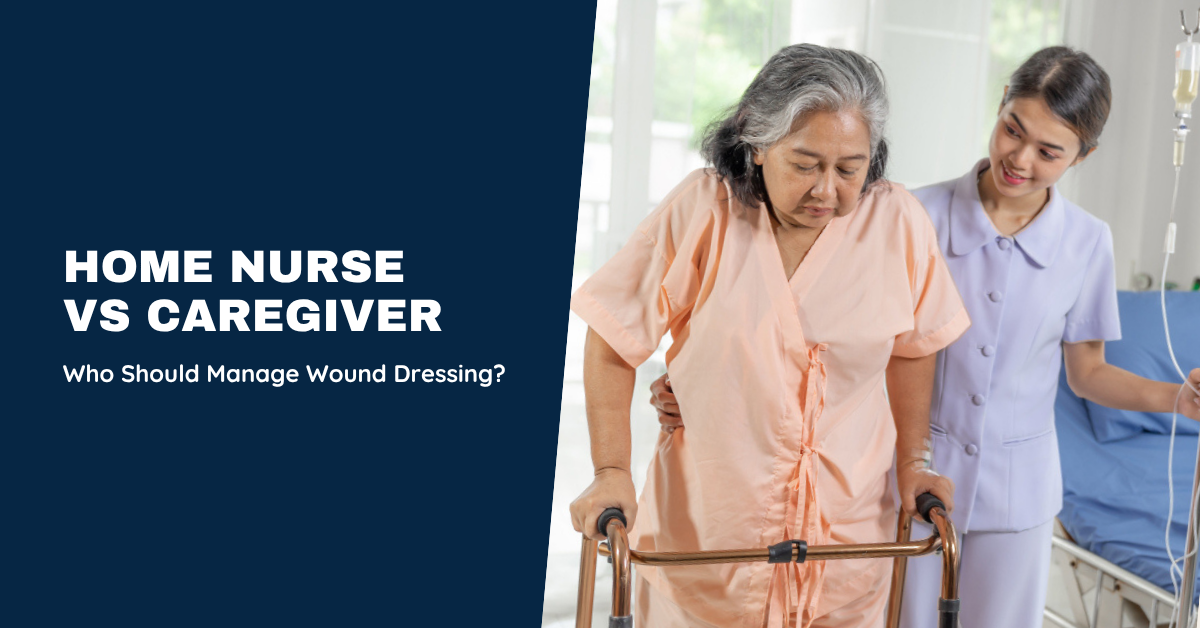
If you’re comparing options, you may also want to read about decision-making between professional care and family support. This resource can help: Home Nurse vs Caregiver: Who Should Manage Wound Dressing.
Choosing a provider in KL: safety, skill, and continuity
When you search “wound care service” or “home dressing service near me”, it’s tempting to choose purely based on speed and cost. Those matter, but for wound healing, quality and consistency are often just as important.
Consider these practical criteria:
- Clinical fit: Does the provider regularly handle your wound type (diabetic, post-surgical, pressure sore, chronic)?
- Communication: Do they explain the plan and what to monitor in a way your family can follow?
- Continuity: Will the same nurse (or a small team) follow the case so changes are noticed early?
- Documentation: Do they keep consistent notes on wound progress and dressing choices?
- Escalation: Do they clearly tell you what symptoms require urgent medical attention?
If you live outside central KL or you’re coordinating care across nearby areas, it may help to review related service availability in neighbouring regions such as home wound care services in Selangor or home wound care services in Klang. For a KL-specific overview, see Home Wound Dressing in KL.
Conclusion: set expectations early for a smoother, safer home visit
Home wound dressing in Kuala Lumpur is becoming more predictable and patient-centred: clearer pre-visit triage, more structured in-home setup, and stronger caregiver education. Pricing still varies, but the reasons are usually practical—wound complexity, dressing materials, visit frequency, travel logistics, and whether additional nursing support is needed.
If you’re ready to book, the best results often come from alignment: share accurate information, prepare a clean and comfortable space, and choose a provider that can handle your specific wound type with continuity and clear communication. That’s how you turn a stressful wound situation into a manageable care routine at home.
Frequently Asked Questions
How long does a wound take to heal?
Healing time depends on the wound type, depth, location, blood circulation, infection risk, nutrition, and medical conditions like diabetes. Some wounds improve within days, while chronic or diabetic wounds can take weeks or longer and need regular professional monitoring.
What should I prepare before a home wound dressing nurse arrives?
Prepare a clean, well-lit area, clear a table for supplies, and position the patient comfortably with pillows. Have any discharge notes, a medication list, and allergy information ready. Keep pets and distractions away during the procedure.
Is cuci luka the same as wound dressing?
Cuci luka refers to cleaning the wound. Wound dressing usually includes both cleaning and applying the right dressing material to protect the wound, manage moisture, and support healing. A nurse will also assess the wound and advise on aftercare.
Why do home wound dressing prices vary in KL?
Quotes vary due to wound complexity, the type and amount of dressing materials used, how often visits are needed, travel logistics in Kuala Lumpur (traffic, parking, condo access), and whether additional nursing tasks are requested during the same visit.
When should I seek urgent medical care instead of waiting for the next home dressing visit?
Seek urgent care if there is fever, rapidly worsening redness or swelling, severe pain, foul odour with heavy discharge, uncontrolled bleeding, sudden numbness or colour change in a limb, or if the patient becomes unusually drowsy or unwell. If in doubt, contact a healthcare professional promptly.
Need professional home wound dressing support in KL?
BACKLINERS SDN BHD provides home wound dressing (cuci luka), diabetic wound care, bedsore and pressure sore care, post-surgical wound support, and longer-term chronic wound management—delivered by a registered nursing team with a personalised, one-to-one approach. If you’re caring for a loved one and want clearer guidance on what to prepare and how often care may be needed, our team can help you plan the next step.
Disclaimer Statement:
We hope you find this article helpful and informative. The content provided is intended for general informational purposes only and should not be considered medical advice, diagnosis, or treatment. For specific medical concerns, including wound care needs, always consult a qualified healthcare professional. Backliners specializes in expert wound care services and is dedicated to providing personalized care to support your health and recovery in the comfort of your home.