
Not all wounds heal the same way, and not all dressings serve the same purpose. Choosing the right wound dressing plays an important role in supporting healing, managing moisture, and protecting the wound from infection. From simple gauze to advanced foam and hydrocolloid options, each type is designed for specific wound conditions.
Instead of looking at wound dressings as separate medical products, it helps to understand them based on how they support the healing process. This makes it easier to see why certain dressings are used at different stages of recovery.
A Simple Way to Understand Wound Dressings
To make things easier, think of wound dressings in three main roles:
- Protective layer – keeps the wound covered and clean
- Absorbent layer – manages fluid or discharge
- Healing support layer – helps maintain an ideal healing environment
Most dressings fall into one or more of these categories, depending on their design.
Common Types of Wound Dressing
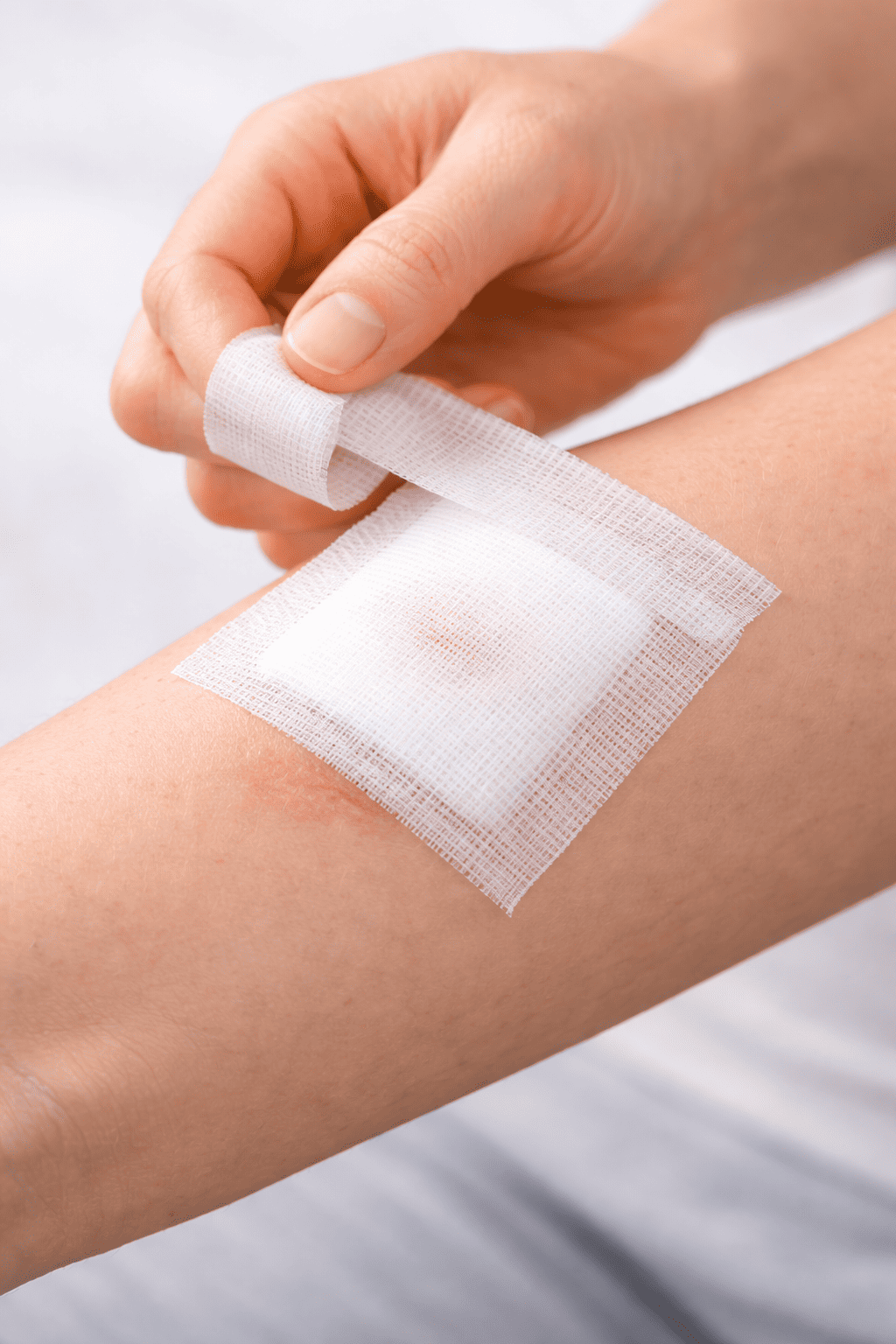
Gauze Dressing
Gauze is one of the most basic and widely used wound dressings. It is typically used for cleaning wounds or covering areas with minimal to moderate discharge.
- Simple and cost-effective
- Allows airflow to the wound
- Needs frequent changing
- Suitable for short-term use or minor wounds
Gauze is often used in early wound care before switching to more advanced options.
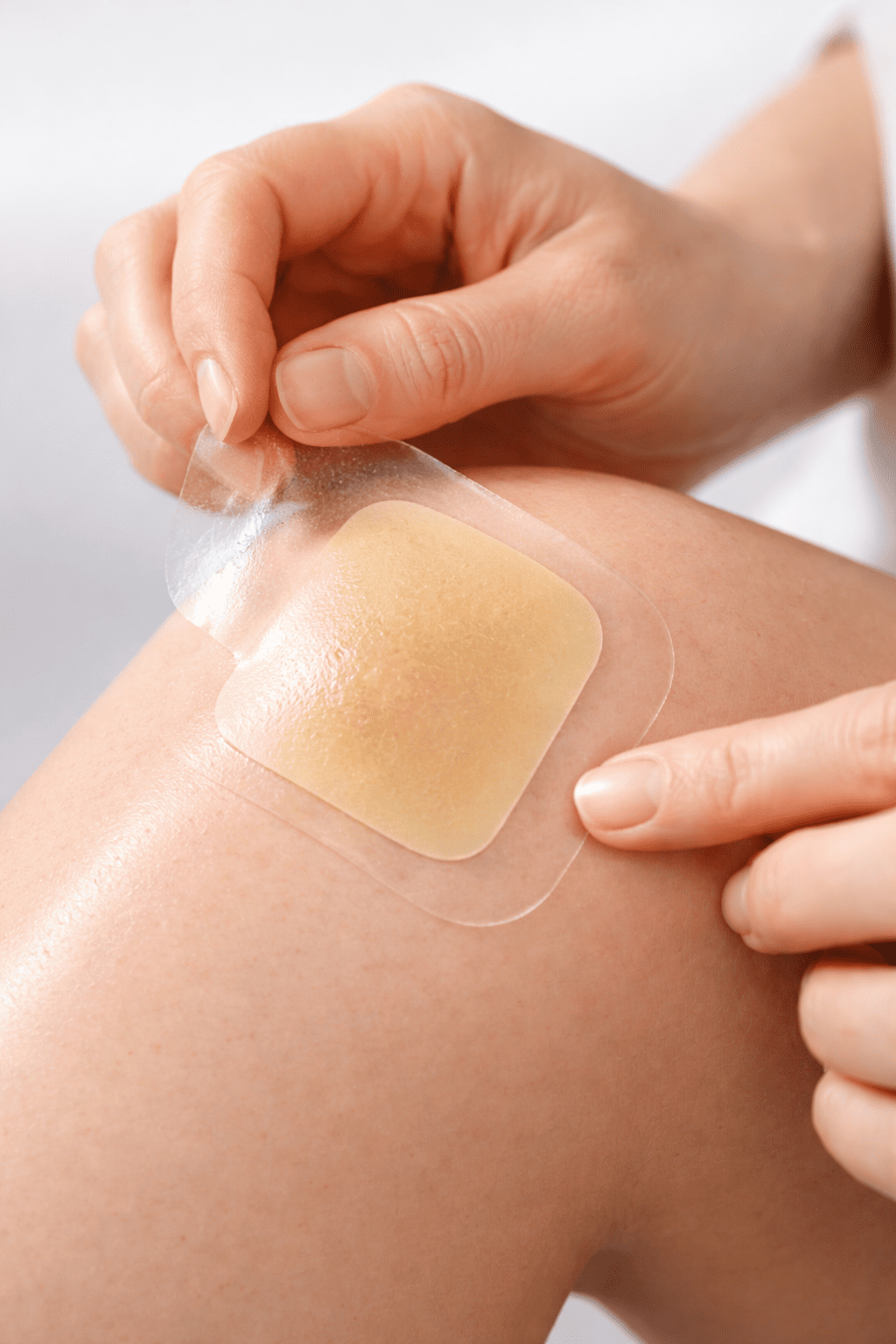
Hydrocolloid Dressing
Hydrocolloid dressings are designed to create a moist healing environment, which can support faster recovery in certain types of wounds.
- Forms a gel-like layer when in contact with wound fluid
- Helps maintain moisture for healing
- Can stay on the wound for several days
- Often used for shallow wounds or pressure sores
This type of dressing is commonly used when less frequent dressing changes are preferred.
Foam Dressing
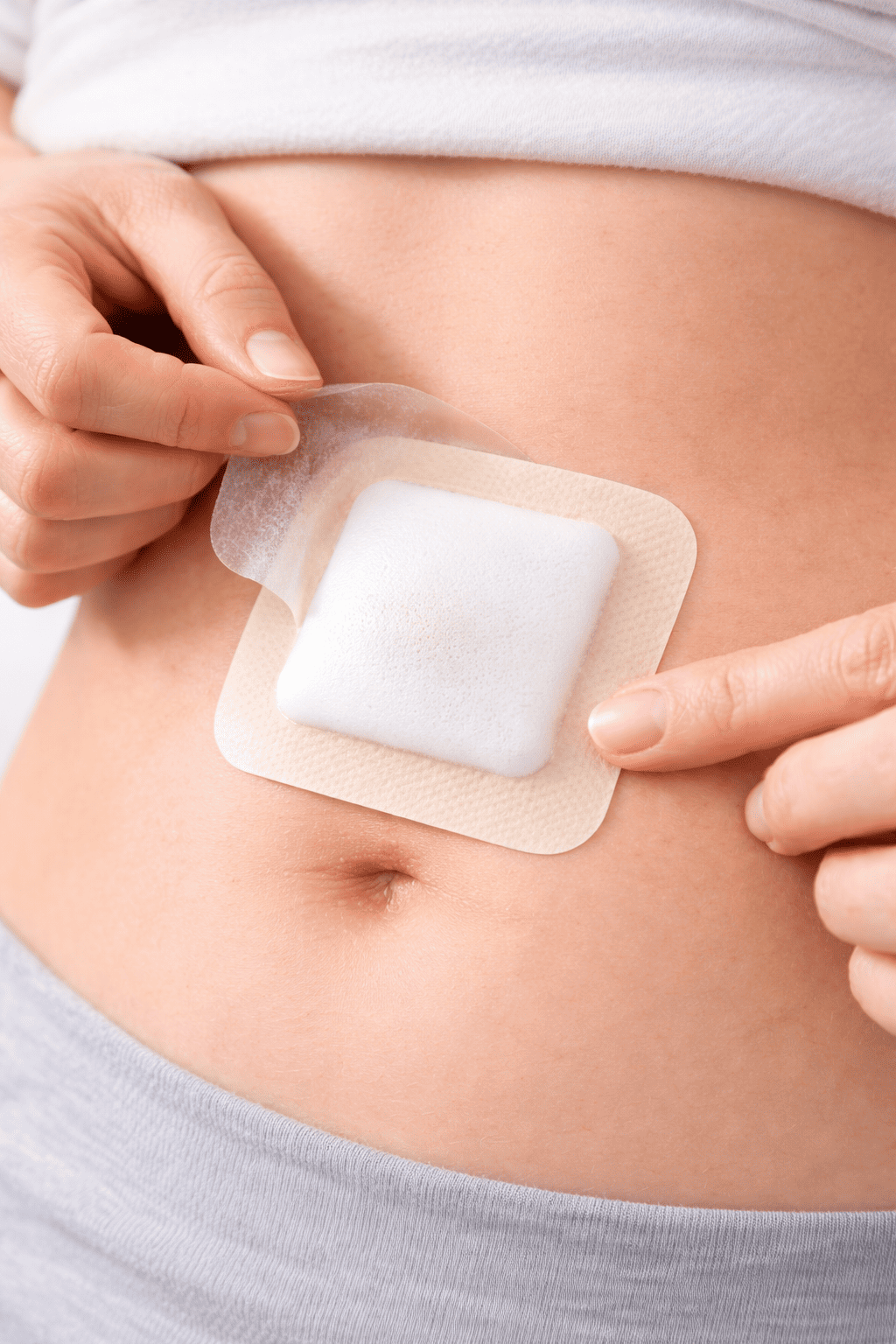
Foam dressings are thicker and highly absorbent, making them suitable for wounds with moderate to heavy exudate.
- Excellent absorption of wound fluid
- Provides cushioning and protection
- Helps reduce pressure on the wound area
- Commonly used for surgical or chronic wounds
Foam dressings are often chosen when both protection and moisture control are needed.
Other Common Types of Wound Dressing
There are also other specialized dressings used depending on the wound condition and treatment needs.
- Film dressings: thin protective layer for minor wounds
- Alginate dressings: highly absorbent, suitable for heavy discharge
- Antimicrobial dressings: help reduce bacterial growth in infected wounds
Each type serves a different purpose and is selected based on the wound’s condition and healing stage.
How the Right Dressing Is Selected
Choosing the correct wound dressing depends on several important factors. Healthcare professionals assess the wound before deciding on the most suitable option.
These factors include:
- Type and depth of the wound
- Amount of wound fluid or discharge
- Risk of infection
- Stage of healing
In many cases, the dressing may change over time as the wound improves. A simple dressing may be used initially before switching to a more advanced option.
When Professional Wound Care Is Needed
While some wounds can be managed at home, there are situations where professional help is important. If a wound is not healing properly or shows signs of infection, it should be reviewed by a healthcare professional.
You should seek help if:
- The wound is not improving after several days
- There is increasing pain, redness, or swelling
- There is unusual discharge or odor
- The wound requires frequent dressing changes
Proper wound care ensures the right dressing is used and helps reduce the risk of complications.
How Professional Home-Based Wound Care Is Delivered by Backliners
Backliners provides medically guided wound care services at home for patients who require consistent attention and proper treatment outside of a clinical setting. The approach is built around safety, structured care, and ensuring wounds are managed correctly throughout the healing process.
Every visit is carried out by trained healthcare personnel who follow proper clinical procedures, from initial wound assessment to cleaning, dressing, and monitoring of healing progress. The goal is to ensure treatment is done correctly and adjusted based on the condition of the wound.
Services include:
- Assessment and management of different wound types
- Sterile wound cleaning and dressing (cuci luka)
- Care for surgical wounds and recovery cases
- Support for chronic and slow-healing wounds
- Scheduled follow-up visits for progress tracking
Care is delivered in a structured manner, with proper documentation and ongoing evaluation to ensure continuity and safety in every stage of recovery.
To make the process easier for patients and families, communication is kept clear and accessible, helping them understand instructions and care plans without confusion.
Choosing the Right Dressing Based on Wound Condition
Every wound is different, and the dressing used should match what the wound actually needs at each stage of healing. The guide below helps simplify which dressing is commonly used based on different wound situations.
| Wound Condition | What It Usually Means | Common Dressing Choice |
|---|---|---|
| Light cuts or minor surface wounds | Small, shallow injuries with minimal fluid | Gauze or film dressing |
| Shallow wounds | Early-stage wounds that need moisture support | Hydrocolloid dressing |
| Heavy fluid or draining wounds | Wounds producing moderate to high exudate | Foam or alginate dressing |
| Suspected or existing infection | Wounds requiring bacterial control | Antimicrobial dressing |
| Post-surgical wounds | Healing surgical sites needing protection and monitoring | Foam or gauze (depending on stage) |
Final Thoughts
Understanding the different types of wound dressings helps you see how proper wound care supports healing beyond simply covering an injury. Each dressing has a specific role, and choosing the right one depends on the wound’s condition and stage of recovery, especially when managing wound dressing (cuci luka) as part of ongoing treatment.
With the right approach and attention, healing can be smoother, safer, and more effective, whether it is basic care at home or supported by professional home wound care services.
Where Our Home Wound Care Team Covers
Our home wound care services are available across multiple regions in Malaysia, allowing patients to receive consistent and professional care wherever they are located. Each area is supported by the same clinical standard and structured care approach.
📍 Penang
Home wound care coverage across Penang for patients needing regular wound dressing, monitoring, and recovery support.
Reliable home wound dressing and wound care services delivered across residential and urban areas in KL.
📍 Klang
Professional wound care visits available in Klang for patients requiring ongoing treatment and wound management at home.
Structured home-based wound care services in Shah Alam, supporting both short-term and long-term recovery needs.
📍 Selangor
Wide coverage across Selangor for patients who require convenient and consistent home wound care support.
Frequently Asked Questions
The most common types include gauze, hydrocolloid, foam, film, alginate, and antimicrobial dressings. Each type is used based on the wound condition and level of fluid or infection risk.
The choice of wound dressing depends on factors such as wound depth, amount of discharge, infection risk, and healing stage. A healthcare professional can assess and recommend the most suitable option.
Yes, some simple wounds can be managed at home. However, proper hygiene and correct technique are important. For complex or infected wounds, professional wound care is recommended.
Gauze is a basic dressing used for protection and cleaning, while hydrocolloid dressing helps maintain a moist healing environment and can stay on the wound longer.
You should seek professional help if the wound shows signs of infection, does not improve over time, or requires frequent dressing changes or close monitoring.
Disclaimer Statement:
We hope you find this article helpful and informative. The content provided is intended for general informational purposes only and should not be considered medical advice, diagnosis, or treatment. For specific medical concerns, including wound care needs, always consult a qualified healthcare professional. Backliners specializes in expert wound care services and is dedicated to providing personalized care to support your health and recovery in the comfort of your home.